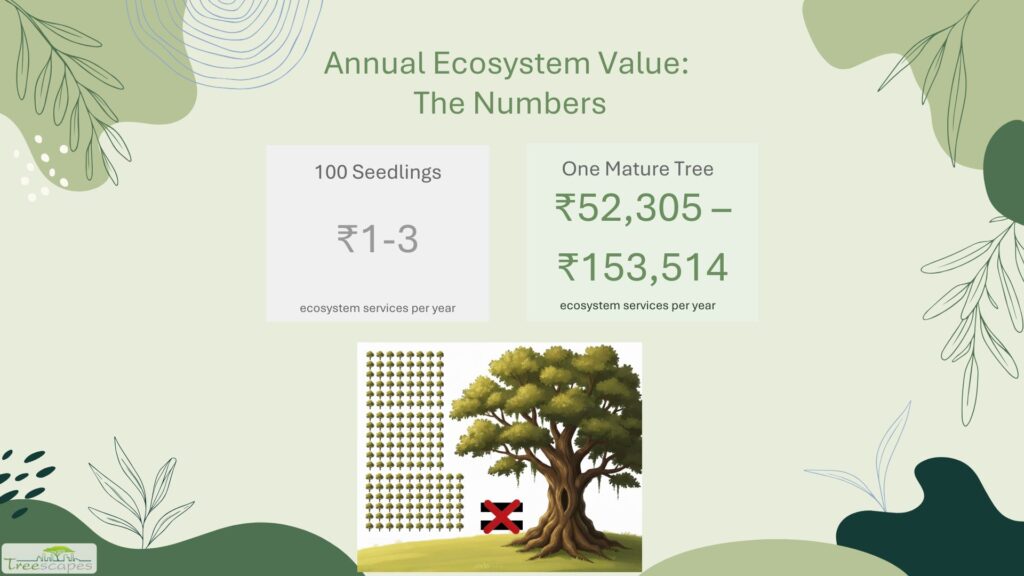
100 seedlings vs 1 mature tree: which provides more benefits? Here is one take on it. What do you think?
#Arboriculture
#UrbanForestry
#TreeManagement
#EcosystemServices
#SustainableCities
100 seedlings vs 1 mature tree: which provides more benefits? Here is one take on it. What do you think?
#Arboriculture
#UrbanForestry
#TreeManagement
#EcosystemServices
#SustainableCities
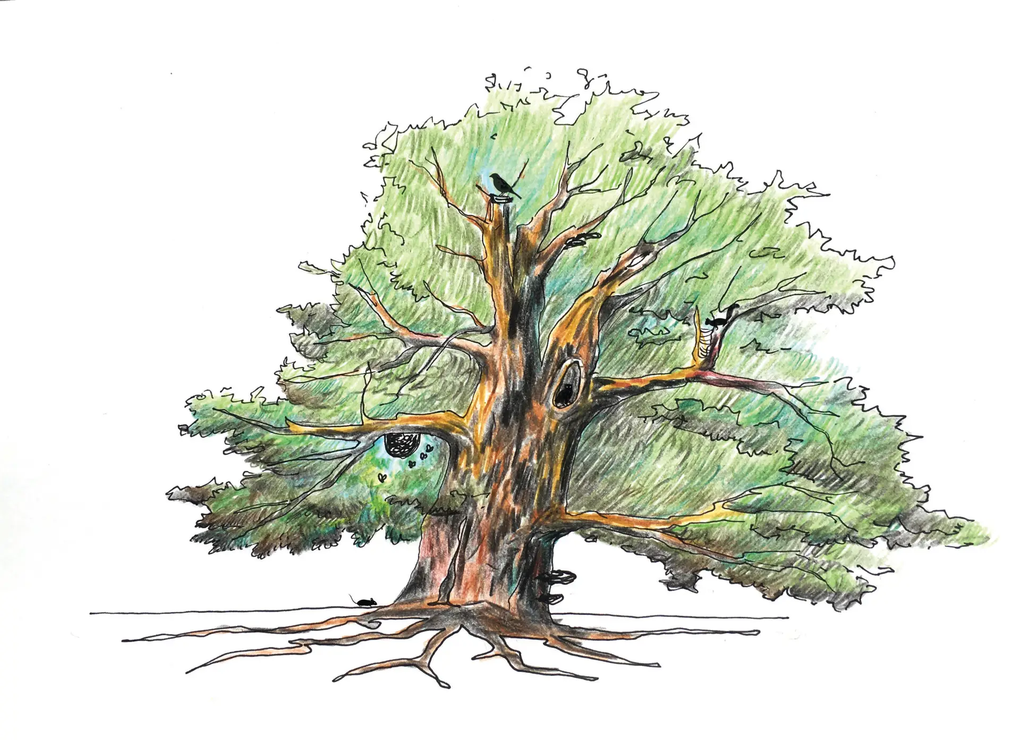
I have started to upload the arboriculture related courses, that I was teaching at the Auroville Botanical Gardens, to Udemy to make them more accessible to people. It is part of the series to learn about different aspects of arboriculture for aspiring arborists.
There is currently a free course called “What is a tree?” and a paid one on urban tree planting (urban because I believe it to be the hardest place to plant trees). Please take a look, if it interests, and give me some feedback and ratings. Thank you
Follow the links below to enroll in the courses
A short course exploring what makes a tree a tree — ideal for beginners and tree professionals alike.
View CourseIf you don’t want to use Udemy, you can still watch the full “What is a tree?” video on the website:
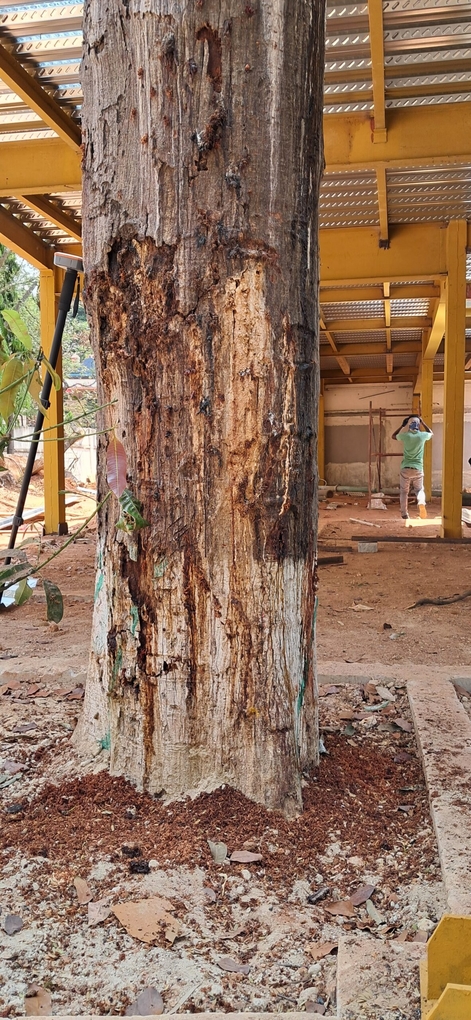
A short documentary about our and our collaborator’s (TreeCare) work in India.
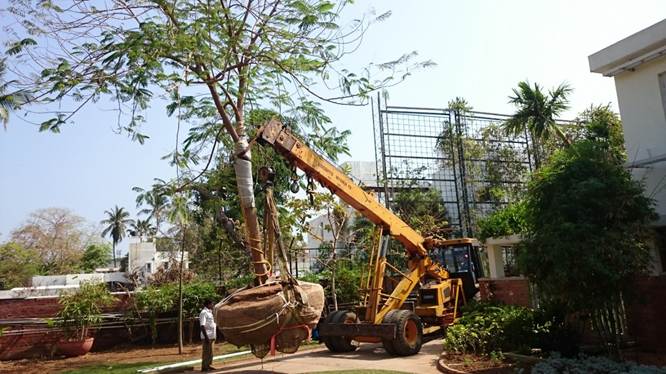
Tree transplanting is a delicate operation that, when executed properly, preserves valuable trees and integrates them into new landscapes as assets with increased value. This guide outlines the essential steps and considerations for successful tree transplanting, small or large. Large tree transplantations require competent and experienced professionals.
Evaluate Tree Suitability:
Site Analysis:
Regulatory Compliance:
Receptor Site (where the tree will be planted to)
Root Ball Preparation:
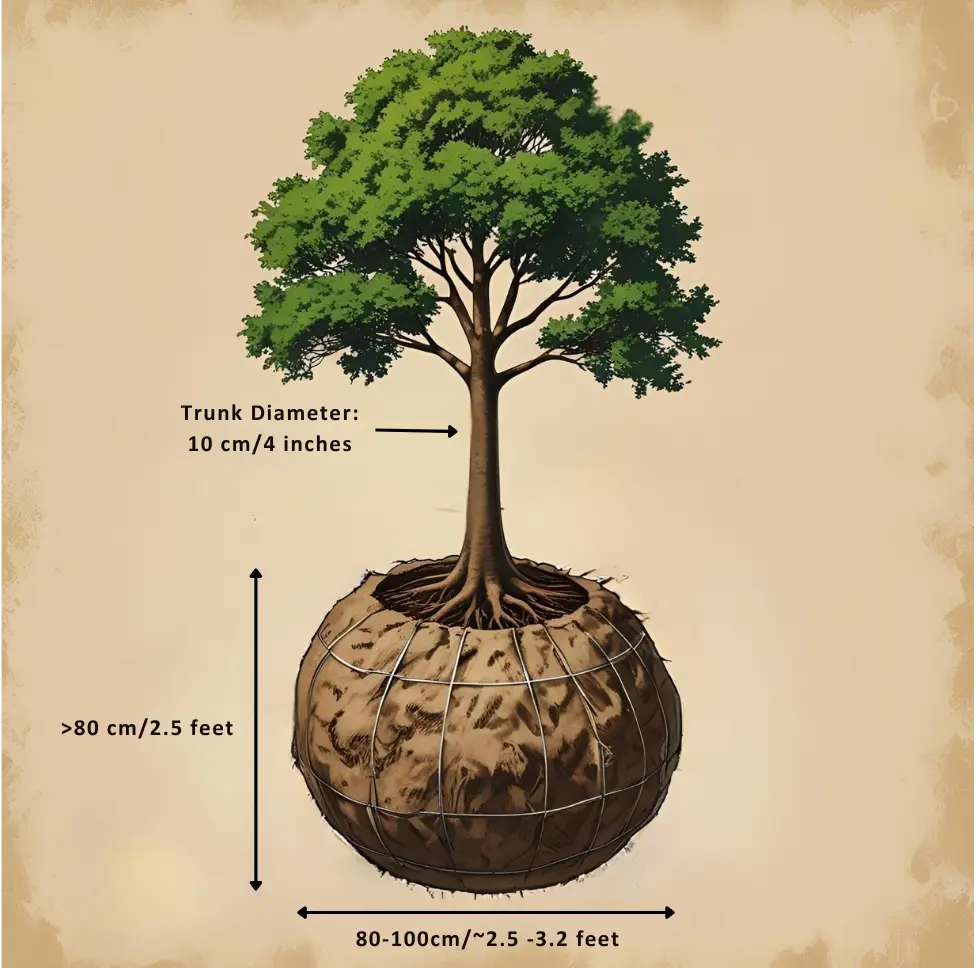
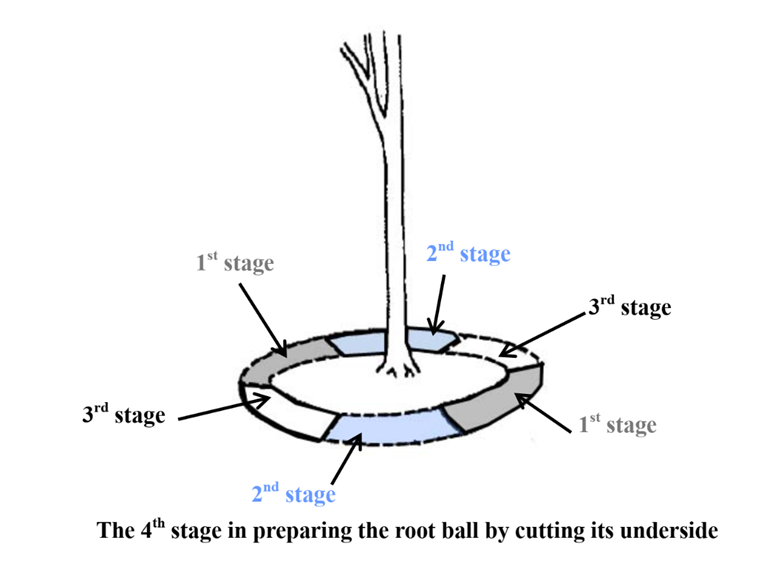
Protection Measures:
Timing:
Excavation & Lifting:
Transportation:
Replanting:
Immediate Actions:
Ongoing Maintenance:
PDF of this blog:
Note: This handout is intended as a general guide. For specific projects, please contact us
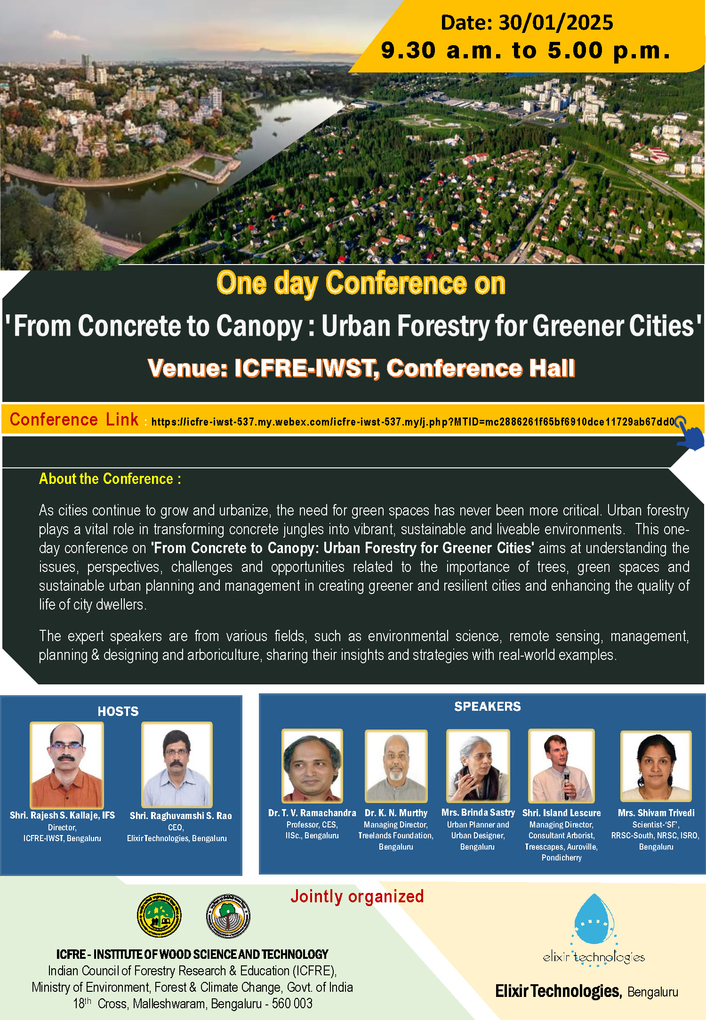
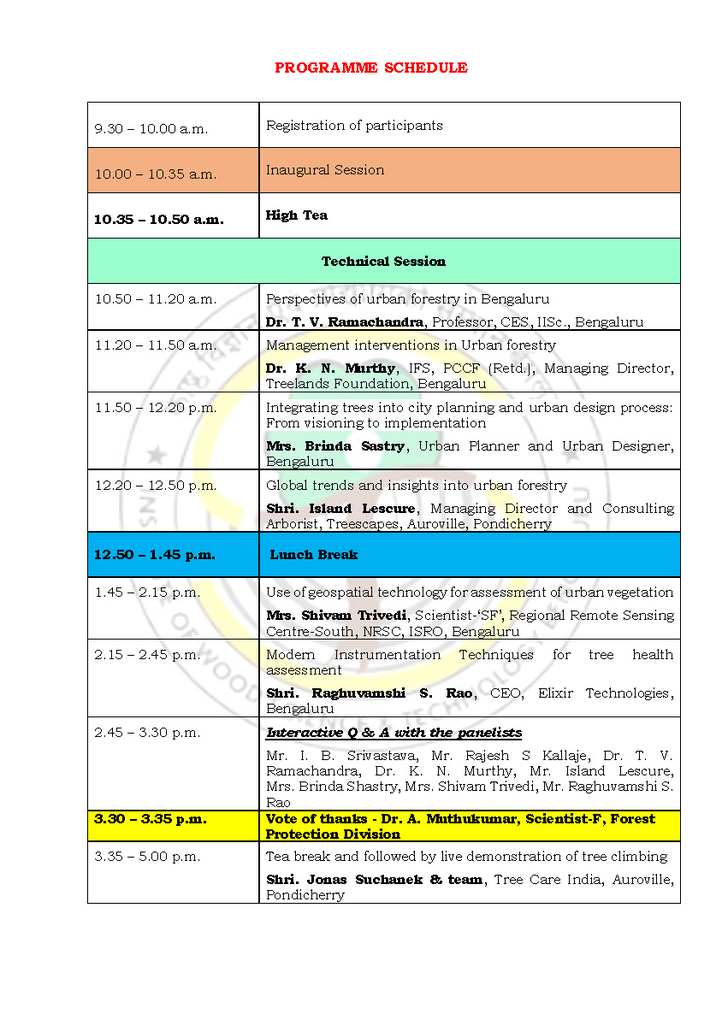
Continuing to improve understanding and integration of green infrastructure, specifically trees and their management, into the urban fabric, I will be presenting at this one day event in Bengaluru. Treecare, a close collaborator, will be giving climbing demonstrations.
There is no space to join in person, but to join online, you can follow this Conference Link.
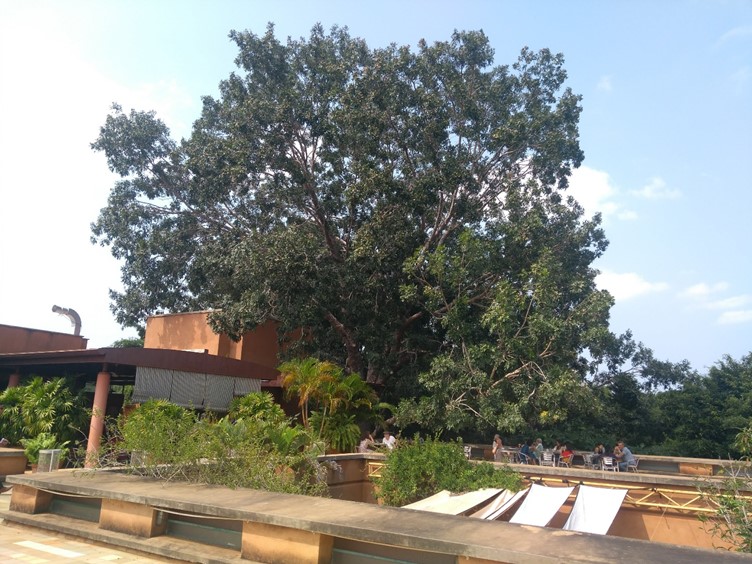
There are many things to consider when planting trees next to buildings and along roads or avenues. This is a non-exhaustive list of tree species that I recommend for our region (Auroville, India) in the typical laterite or black cotton soil. This is an evolving list.
Please add comments to this list directly or in the more exhaustive spreadsheet. I am especially looking for more recommendations as the more diversity, the better.
In essence, it is better to plant for the long term to avoid conflicts between trees and buildings.
Thank you,
Island
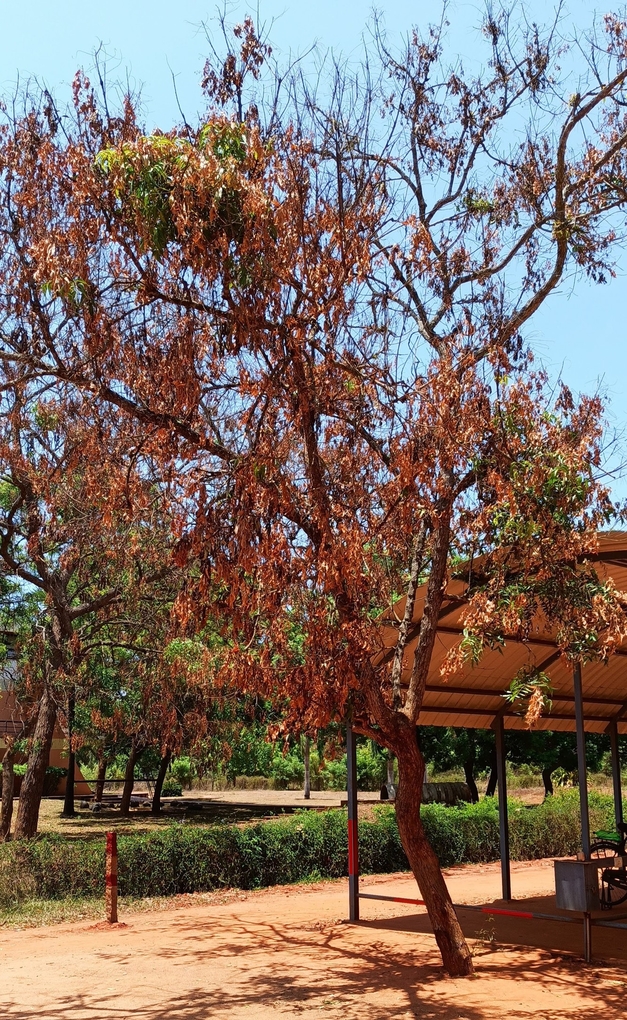
Yes, neem trees lose their leaves every year, sometimes multiple times but, if a tree ends up with dead leaves up in the canopy then there is a problem due to an external factor. Yes, neem dieback has been around for some time and some trees recover from it. All neem trees that I have inspected have been affected by this to some extent. Older trees, very young trees and trees in poor condition or environments will likely be the most affected.
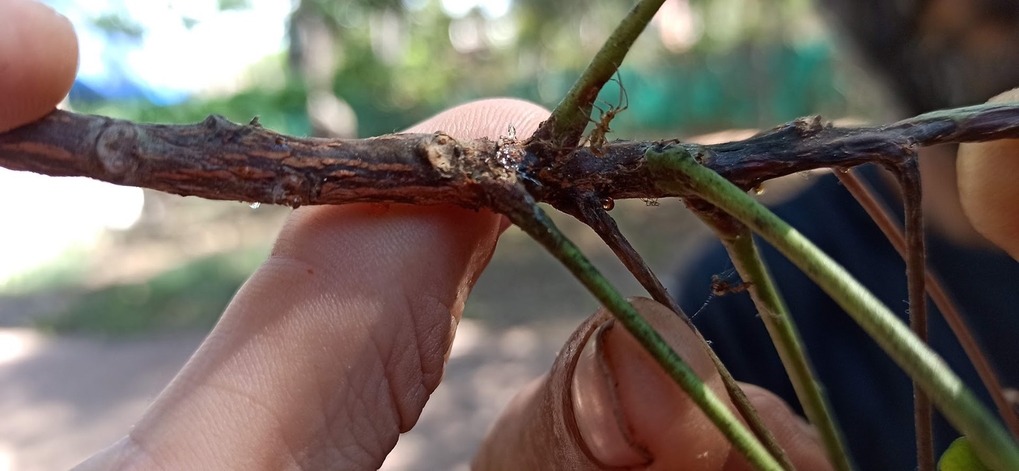
In the image below is the tea mosquito (Helopeltis antonii) which is one way that the fungus (Phomopsis azadirachtae) is transimitted which then causes the specific neem dieback disease (scientific evidence below).
Because we have had successive drought years and a very wet year both of which can be detrimental for neems. Some of the trees have been defoliated twice in two years and some even more. Repeated defoliation of trees can lead to tree death.
Generally, all trees can be vulnerable to drought, especially to prolonged drought. It depends on their condition and the extent of the drought. With regards to excessive rain, if the roots are submerged for an extended period, they will not get oxygen, so they won’t be able to sustain their system (they can’t burn sugars). This FAO document mentions drought and neems. It is how I eventually came to the conclusion that the neems will not be able to deal with this very well (but it is likely to be consisting of even more factors).
The succession of detrimental events is the usual course for the death of a tree. Unlike us, they are not programmed to die. So, if a tree is affected by a disease, it is then more susceptible to other diseases.
And finally, yes, there are dead neems around.
Pictures of affected trees: https://photos.app.goo.gl/q7R5zAGFuLaGWuA79
What we are doing is making neem trees more resistant to this disease and improving growing conditions in general for them and all surrounding vegetation.
Method and instructions of what we are doing (anyone can do it): Neem Treatment.
This is slightly old as the method has changed but may be useful: Video of Dr. Margarita Correa (MG Ecoduties) explaining treatment: https://youtu.be/aKFwzTVfmuo
From what I understand (or think I understand) the C4 compost acts a positive environment for germination for the bacillus which then will merge with/inoculate the absorbing roots (which will also be prompted to grow due to the new richer environment, hence the combination). Then the Bacillus will induce systemic acquired resistance (which should help with the Phomopsis) along with potentially helping with uptake of water and nutrients through synergies with mycorrhizal fungi.
Antifungal activity of essential oils against Phomopsis azadirachtae- the causative agent of die-back disease of neem: http://www.ijat-aatsea.com/pdf/Jan_v6_n1_10/14-57-IJAT2009_37F.pdf
In Vitro Evaluation Of Antagonistic Microorganisms For The Control Of Die-Back Of Neem Causal Agent Phomopsis Azadirachtae: https://journals.pan.pl/Content/106234/PDF/JPPR_49(4)_04_Girish.pdf
Integrated management of Phomopsis azadirachtae, the causal organism of die-back of neem: https://www.researchgate.net/profile/Girish-K/publication/264657481_Integrated_management_of_Phomopsis_azadirachtae_the_causal_organism_of_die-back_of_neem/links/55f306d308ae7a10cf87a7f4/Integrated-management-of-Phomopsis-azadirachtae-the-causal-organism-of-die-back-of-neem.pdf
Efficacy of combinations of hexaconazole and bacterial extracts against Phomopsis azadirachtae, the die back of neem pathogen: https://www.researchgate.net/profile/Girish-K/publication/264657118_Efficacy_of_combinations_of_hexaconazole_and_bacterial_extracts_against_Phomopsis_azadirachtae_the_die-back_of_neem_pathogen/links/5f1404cca6fdcc3ed7154396/Efficacy-of-combinations-of-hexaconazole-and-bacterial-extracts-against-Phomopsis-azadirachtae-the-die-back-of-neem-pathogen.pdf
To give an idea of what could be affected, when surveying about half of Auroville excluding the “Greenbelt” (~2.5 square kilometres) Geomatics have recorded over 3000 neem trees. So there are potentially over 20,000 neem trees in Auroville.
Here is what has been achieved in Auroville, regarding treatment, so far (I am only involved in some of this):
| Location | Number of Trees |
| Matrimandir | ? |
| Language Lab | 23 |
| Joy of Impermanence | 15 |
| Sincerity | 30 |
| Revelation | 40 |
| Botanical Gardens | 20+ (with ecological horticultural course students) |
| Ami | 8 |
| Minati | 9 |
| Kalpana | 24 |
| Sanjana | 9 |
| Certitude | several, goal is 200 trees |
| Certitude road | 20 |
| Espace | 15 |
| Evergreen | 70+ trees (with TLC students and others) |
| Town hall | 23 |
| Transition School | Several |
| Maitreye | 30 |
It has now spread to 4 states: https://news2in.com/neem-trees-in-telangana-hit-with-dieback-disease/
We could be looking at millions of trees dying.
This could potentially become like the Dutch elm disease and Ash dieback. Both of which wiped out or are wiping out an entire species of tree.
Please get in touch. You can help by:
I am happy to come by (locally) and explain, show, teach (can be part of a school or research project).
Please let me know if you treat trees somewhere so we can record it (to later check if it works as intended and get statistics. If you want to be involved in this aspect, that is also possible).
This is the first step in setting up a response to a potentially huge loss of neem trees. All networking and collaboration could be improved and should be and if you want to coordinate efforts, please do so as I do not need, or necessarily want, to be involved.
If you have any other ideas, please suggest them (especially if you want to do the legwork).
Thanks,
Island
7598103616, [email protected]
Paper on dieback of neem: https://www.researchgate.net/publication/264657693_Phomopsis_azadirachtae_-_The_Die-Back_of_Neem_Pathogen
Crude toxin extract from culture filtrate of Phomopsis azadirachtae infecting neem and its phytotoxicity: https://citeseerx.ist.psu.edu/viewdoc/download?doi=10.1.1.555.1928&rep=rep1&type=pdf
Paper on effectiveness of the one of the strains of bacterium we use: (Bacillus subtilis): https://academicjournals.org/article/article1381737132_Girish%20et%20al.pdf
Variation in Phomopsis azadirachtae , the incitant of die-back of neem: http://citeseerx.ist.psu.edu/viewdoc/download?doi=10.1.1.1024.9357&rep=rep1&type=pdf
Another Article about one of the strains of Bacillus that we are using in our treatment.
Development of a simple and reliable species-specific detection of Phomopsis azadirachtae, using the translation elongation factor 1-alpha gene: https://drive.google.com/file/d/1_x-pdWL6AvMYr-8tTQEgFH98fLxu-IPv/view
Abstract of a paper stating that this is quite common in TN: A survey of die-back disease of neem in Tamil Nadu, India and PCR-based confirmation of the isolates: https://www.tandfonline.com/doi/full/10.1080/03235400903057613?scroll=top&needAccess=true
FAO: A Guide to the Identification of Diseases and Pests of Neem (Azadirachta indica): https://drive.google.com/open?id=1pRzoYuZS30WCuUyMiLhIU6kc76UF4Kvl&authuser=island%40auroville.org.in&usp=drive_fs
Many people think neems are the toughest trees around and will manage “no worries” which begs the question of “why are they affected in the first place?”
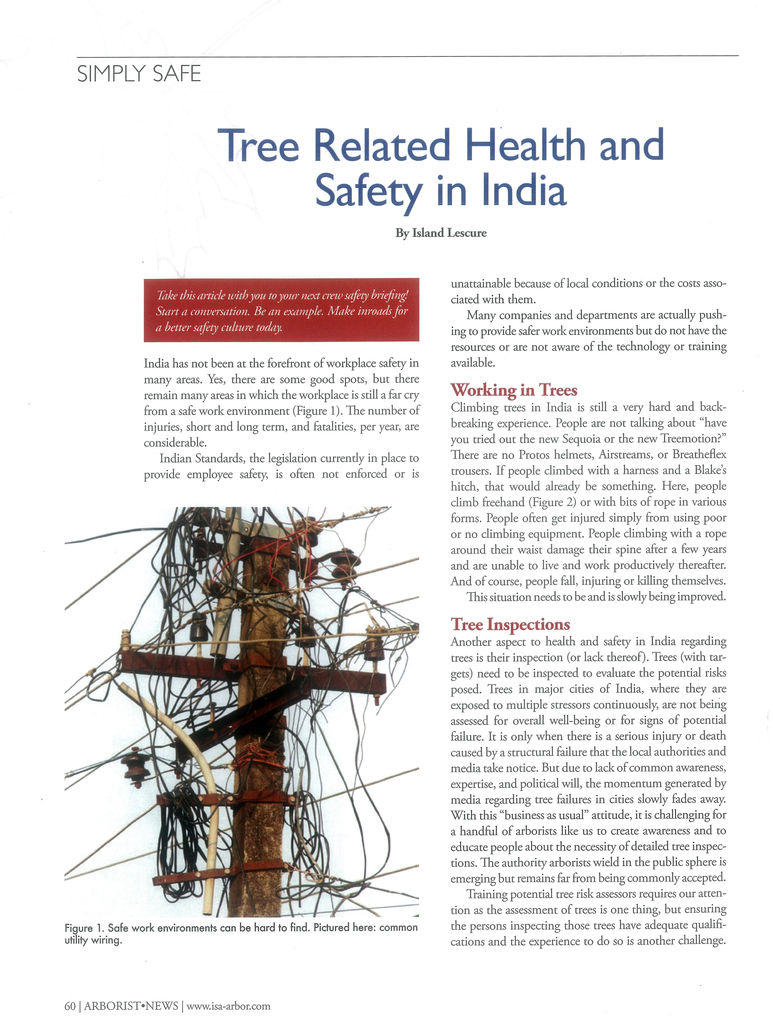
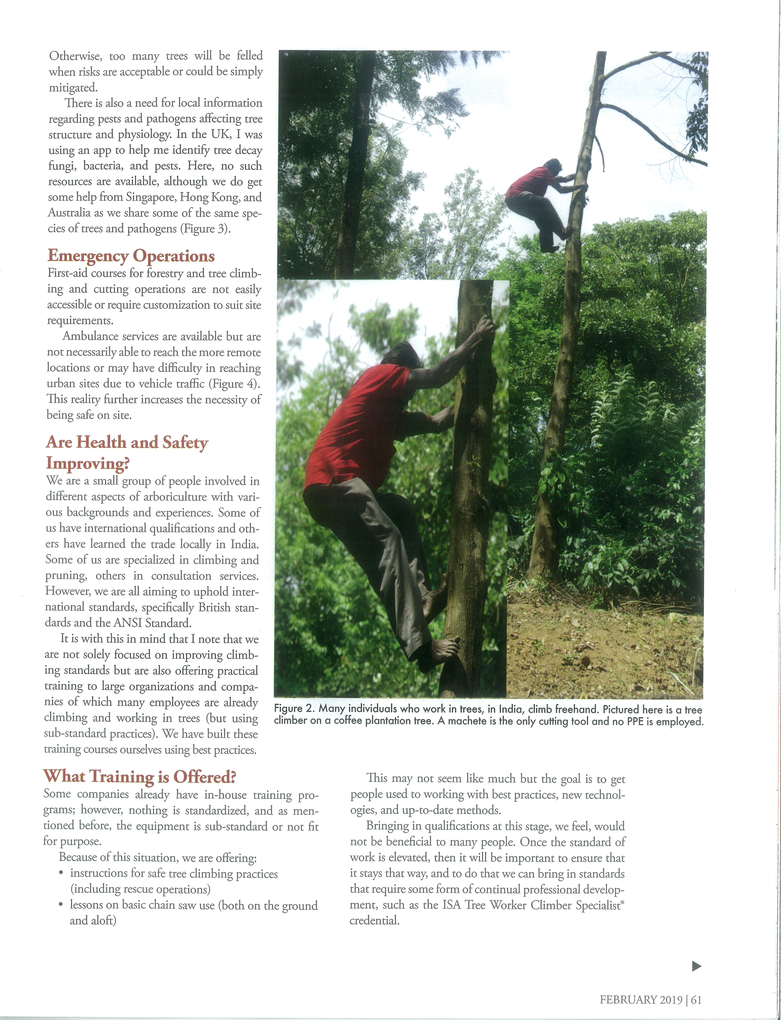
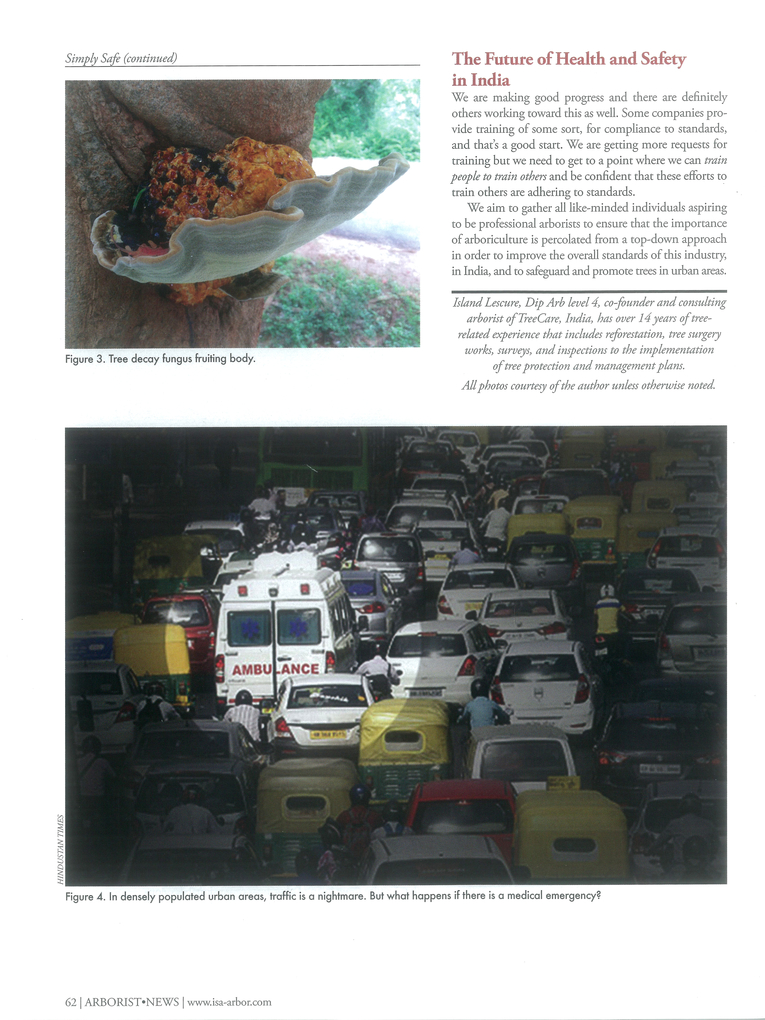
With such poor health and safety practices in India it makes sense to write about the dangers related to tree work and management. This is an article that I wrote which was published in The International Society of Arboriculture (ISA) magazine Arborist News. A similar version was published in the Landscaping and Outdoor Living magazine, India